
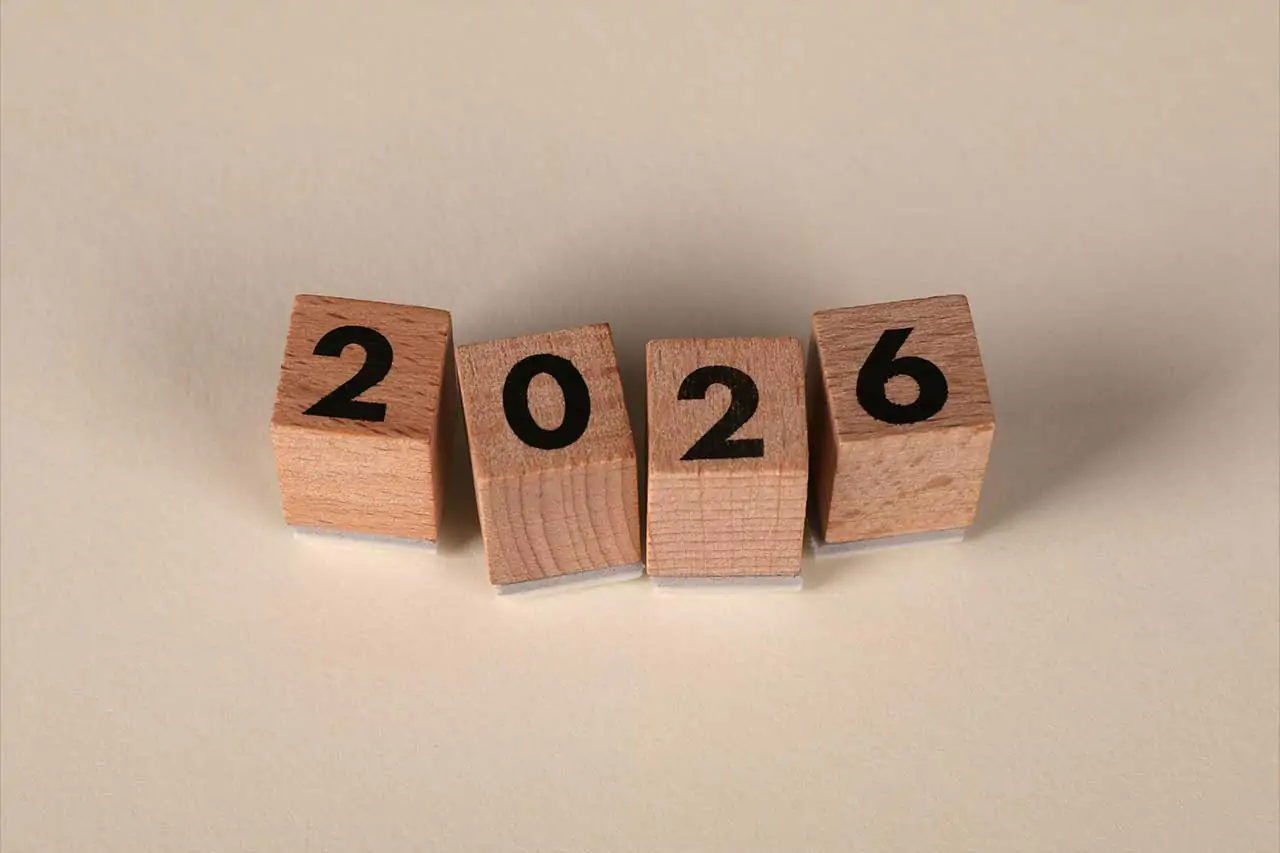
The year 2026 marks a crucial phase for Indonesia. After going through a period of global economic recovery, geopolitical pressure, and accelerated digital transformation, the direction of business in Indonesia is becoming increasingly clear. Economic growth is projected to remain stable, the middle class continues to expand, and technology is no longer an option—it is a necessity.
This article is prepared as a strategic guide for MSME players, professionals, and aspiring entrepreneurs who want to understand business opportunities in 2026 realistically, based on economic trends, government policies, technology, and changes in consumer behavior.
Need a Professional Website? Or a Team to Maintain Your Website?
Bring your business to life with a professional and informative website through our professional website development services—responsive, secure, and aligned with official visual identity.
Ensure your website is always well-managed through our website maintenance services.
Tap the WhatsApp button below to consult directly with the SIMPLIFY team.
[vc_row][vc_column][vc_btn title=”WhatsApp” style=”classic” shape=”round” color=”success” align=”left” i_icon_fontawesome=”fa fa-whatsapp” add_icon=”true” link=”url:https%3A%2F%2Fwa.me%2F%2B628998706033|target:_blank”][/vc_column][/vc_row]
Or save SIMPLIFY’s contact—just in case you need it tomorrow.
SAVE SIMPLIFY CONTACT


Overview of Indonesia’s Conditions in 2026
1. Domestic Economic Stability
Indonesia is expected to maintain economic growth at around 5%, with domestic consumption as the main driver. This means the domestic market remains very strong, especially for products and services related to daily needs, business efficiency, and urban lifestyles.
2. Direction of Government Policies
The government’s focus in 2026 includes:
- Digitalization of MSMEs and public services
- Industrial downstreaming and green economy
- Improving human resource quality
- Fiscal incentives for strategic sectors
This creates a relatively conducive climate for adaptive, solution-based businesses.
3. Technology as Basic Infrastructure
AI, automation, cloud, and data are no longer future technologies. In 2026, technology is business infrastructure, like electricity and the internet. Businesses that fail to adapt will fall behind in efficiency and competitiveness.
Changes in Indonesian Consumer Behavior
Some key changes include:
- Consumers are increasingly digital-first
- Purchase decisions are influenced by content, reviews, and experiences
- Price-sensitive, yet value convenience and quality
- More concerned about health, sustainability, and personalization
Business opportunities arise from the ability to solve real problems, not merely from following trends.
Most Promising Business Opportunities in 2026
1. Digital Services & Online Solutions (The Most Realistic Opportunity)
Business examples:
- Website & landing page development services
- Digital marketing & SEO
- Data-driven social media management
- Small business automation (CRM, WhatsApp API, chatbots)
Why will this thrive in 2026? Many MSMEs realize they need to go online but lack time, skills, and systems. They need solutions that are simple, affordable, and deliver immediate impact.
👉 Ideal for professionals, freelancers, and small agencies.
2. AI for MSMEs (Not Advanced AI, but Practical AI)
Business examples:
- AI setup services for content & customer service
- AI tools for templates, proposals, and product catalogs
- Sales and customer service chatbots
Important note: What sells is not the technology, but the results: time savings, cost efficiency, and increased sales.
3. Education & Practical Skills Training
In-demand fields in 2026:
- Digital marketing
- AI & work automation
- Remote work skills
- Online business & personal branding
Business models may include:
- Online courses
- Paid webinars
- Community memberships
4. Sustainability & Efficiency-Based Businesses
Real opportunities:
- Eco-friendly products
- Small-scale waste management services
- Energy efficiency consulting
- Reusable products and eco-lifestyle solutions
The market is not everyone—but the growing urban middle class.
5. Health, Wellness & Digital Lifestyle
Examples:
- Online health consultations
- Digital diet & fitness programs
- Subscription-based health products
Health awareness continues to rise, especially post-pandemic and alongside work-life balance trends.
Business Models That Will Survive in 2026
Strong businesses in 2026 typically have these characteristics:
- Service-based or subscription-based
- System-driven, not manual labor-dependent
- Focused on niche markets
- Utilizing data & automation
In contrast, businesses without differentiation and relying solely on price wars will face increasing pressure.
Strategies to Start a Business in 2026
- Start from real problems around you
- Validate small—don’t scale too fast
- Use technology for efficiency
- Build digital assets (website, database, content)
- Focus on the long term, not short-lived virality
Conclusion
2026 is not a year for speculation, but a year for relevant and efficient businesses. The biggest opportunities lie in:
- MSME digitalization
- Practical AI
- Skills education
- Sustainability
- Services based on real needs
Simple, focused, and consistent businesses have the greatest chance to grow.